Telemedicine
Telemedicine is the natural evolution of healthcare in the digital world - American Telemedicine Association

image by: Mitrey
HWN Suggests
From science fiction to telemedicine: the surprising 150-year history of long-range medical treatment
The evolution of telemedicine has kept pace with advances in information and communication technology. Yet, throughout the 1990s and early 2000s, telemedicine remained little used. It took the global COVID pandemic to make telemedicine an integral part of modern healthcare. Most of this is consultations via video call – not so far away from what Gernsback envisioned a century, though so far without the robotic hands. What’s next? One likely factor pushing real-world telemedicine to match the dreams of science fiction will be developments in human spaceflight.
Featured
 Telemedicine: A Guide to Assessing Telecommunications in Health Care.
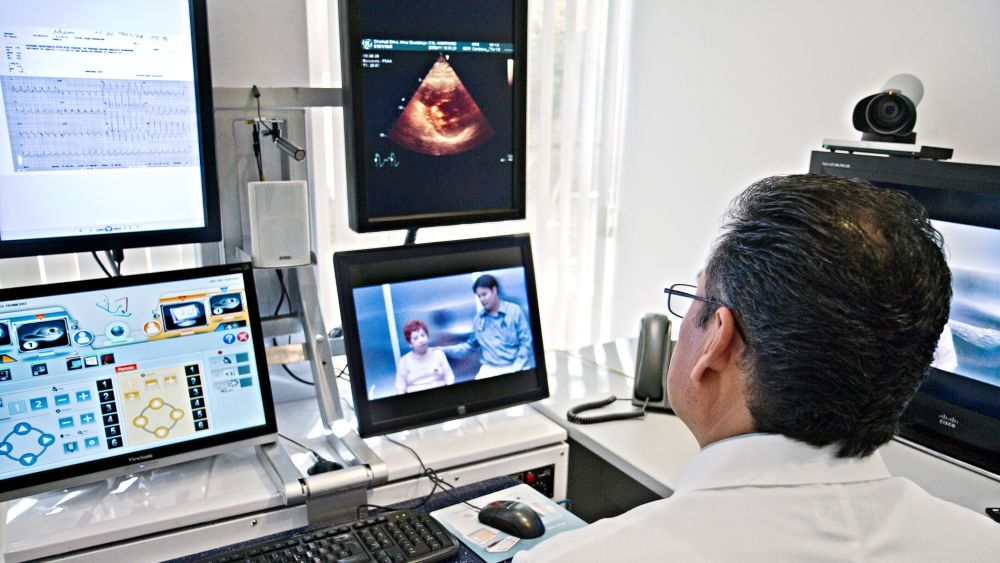
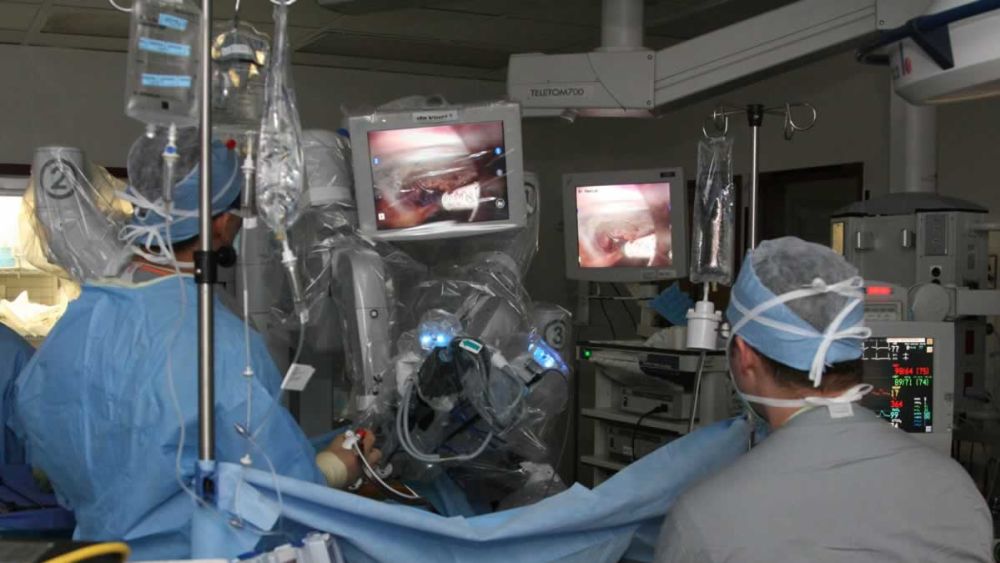
On the commonplace side of the spectrum are familiar uses of the telephone for consultations between patients and clinicians and the use of radio to link emergency medical personnel to medical centers. On the other end of the telemedicine spectrum are largely experimental innovations such as telesurgery in which a surgeon receives visual and tactile information to guide robotic instruments to perform surgery at a distant site. In between these two ends of the spectrum lie an array of video, audio, and data transmission technologies and applications. Some, such as relatively expensive interactive video conferencing, allow clinicians to see, hear, examine, question, and counsel distant patients for "real-time" diagnostic and therapeutic purposes.
Articles of Interest
Telehealth, Telemedicine, and Telecare: What's What?
Telemedicine can be defined as using telecommunications technologies to support the delivery of all kinds of medical, diagnostic and treatment-related services usually by doctors. For example, this includes conducting diagnostic tests, closely monitoring a patient's progress after treatment or therapy and facilitating access to specialists that are not located in the same place as the patient.
Telemedicine Is a Safety Valve for a Strained Health Care System
“Virtual visits” can be an effective way to decide who needs to be tested for Covid-19. But remote doctors can't diagnose or treat illness.
Telemedicine Predicted in 1925
The 1920s was an incredible decade of advancement for communications technology. Radio was finally being realized as a broadcast medium, talkies were transforming the film industry, and inventors were tinkering with the earliest forms of television. People of the 1920s recognized that big changes were ahead, and no one relished in guessing what those changes might be more than Hugo Gernsback.
The pandemic could be a long-awaited turning point for telemedicine
100 years ago, doctors sent a heartbeat over a phone line, but devices enabling remote care may have finally found their moment.
The Promise And Limitations Of Telemedicine
Telemedicine is nothing new, but advancements in technology have made it even more widely available. Neurologists can now treat Parkinson's patients from miles away, therapists can reach service members overseas, and general practitioners can work in rural areas without actually going there at all.
A Pandemic Benefit: The Expansion of Telemedicine
Medical practice over the internet can result in faster diagnoses and treatments, increase the efficiency of care and reduce patient stress.
Coronavirus and the Future of Telemedicine
So, you know, the definition of telemedicine is fairly broad. It's anything from taking care of a patient's needs through the telephone—so just the old fashioned way—to having video interactions with your patients, to actually having video interactions with your patients assisted with devices.
How Telemedicine Is Transforming Health Care
The revolution is finally here—raising a host of questions for regulators, providers, insurers and patients.
Is COVID-19 the Tipping Point for Telemedicine?
Sheltering in place has pushed virtual health care into the mainstream, making us wonder if we’ll ever go back to waiting rooms
Telemedicine Can Change Care for the Better — With the Right Rules
Health care policy experts say pandemic-era rules that promoted telemedicine should be made permanent to protect gains in quality of care and greater access for millions of patients. Experts caution that making the rules permanent should be done in a way that does not jeopardize in-person practices.
Telemedicine for healthcare: Capabilities, features, barriers, and applications
Telemedicine has improved the capacity of healthcare providers to take care of many people without physically being there. Furthermore, now that it has proved its worth, it will be around for a long time. Although introductory video conferencing brought many providers to telehealth, the new wave of telemedicine technologies would have much more to offer.
The Promise and Perils of Virtual House Calls
With digital technology that can bring distant experts as close as your smartphone, telemedicine is on the rise. Now comes the tricky part.
Resources
5 Surprising Ways In Which Telemedicine Is Revolutionizing Healthcare
“Telemedicine is the natural evolution of healthcare in the digital world,” American Telemedicine Association. Telemedicine empowers the caregivers to remotely interact with their patients, which greatly improves both the efficiency and affordability of healthcare. Today patients, doctors and caregivers have learned to accept telemedicine (often called ‘telehealth’ or ‘connected health’) as one of many ways of delivering care.
American Telemedicine Association
As the only organization completely focused on advancing telehealth, the ATA is committed to ensuring that everyone has access to safe, affordable, and appropriate care when and where they need it, enabling the system to do more good for more people.
Journal of Telemedicine and Telecare
Journal of Telemedicine and Telecare provides excellent peer reviewed coverage of developments in telemedicine and e-health and is now widely recognised as the leading journal in its field.
Telemedicine.com
We are worldwide Telemedicine experts, with over 20 years' experience in every aspect and phase of conceiving, creating, sales, installing, training and supporting Telemedicine projects throughout the globe.
GlobalMed
GlobalMed, a privately held telemedicine company headquartered in Scottsdale, Arizona, is the leader of telemedicine companies in telehealth hardware and software R&D, design, engineering, manufacture and support. Our team of telemedicine software developers and engineers work closely with scientific and medical professionals–from concept to application–to understand and translate unmet needs into next-generation integrated telemedicine tools that are unsurpassed in quality, affordability and flexibility.
PagerHealth
At Pager, we believe that a superior consumer experience leads to better decisions, better outcomes and healthier lives. We created Pager to transform the way that consumers interact with their healthcare.
Telehealth and Medicine Today
Telehealth and Medicine Today (TMT), is an open access online, international peer review journal where multidisciplinary thought leaders, practitioners, and future society stakeholders converge to address strategic, medical, technical, legal, policy, economic, and social aspects of a new health and technology sector.
Telemedicine and e-Health
Telemedicine and e-Health is the leading international peer-reviewed journal covering the full spectrum of advances and clinical applications of telemedicine and management of electronic health records. It places special emphasis on the outcome and impact of telemedicine on the quality, cost effectiveness, and access to healthcare.
United Telehealth Services
United Telehealth approaches telehealth as a people business. Success requires leaders who know both the clinical and technological aspects of the program. Working with an experienced telehealth partner offers the best solution to reduce risk, accelerate implementation, and achieve rapid and sustainable ROI.