End of Life
Our most cruel failure in how we treat the sick and the aged is the failure to recognise that they have priorities beyond merely being safe and living longer - Atul Gawande

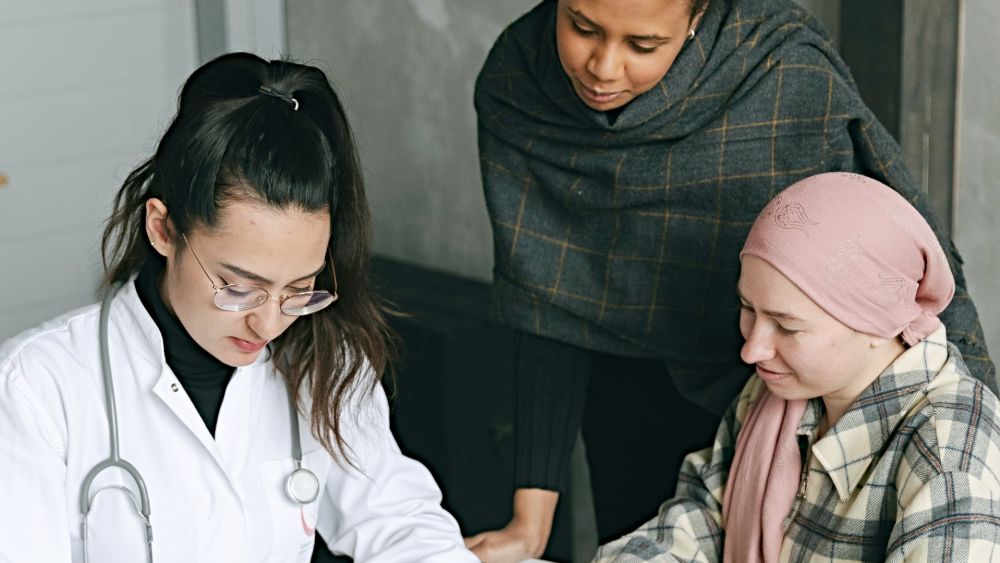
image by: St Columba’s Hospice
HWN Suggests
Helping Hands
WOULD life still be worth living if you could watch football on television and eat chocolate ice-cream, but not walk, feed yourself or use the bathroom unaided? How much pain would you accept for the chance of a few extra weeks? And how would you use the time you had left if you knew that no such chance remained?
For most people in the developed world, conversations about such topics never take place. Young people remark in passing that they would rather be dead than go into a nursing home; that they do not want to die in hospital; that they do not want a drawn-out, agonising end. The closer that end is, the less it is talked about. The result…
Featured
 On the Art of Dying Well
An intensive care unit death can cost $450,000. A difficult open-heart surgery, same deal. If we have the money for that, why don’t we have the money for slow medicine that truly supports people through the toughest times in their lives?
End-of-life medical decisions being rushed through due to coronavirus
The coronavirus pandemic is forcing people to confront dilemmas around how much medical care should be given at the end of life. The emergency situation means doctors and patients are having to rush controversial decisions about turning down certain treatments, say palliative care experts. “The crisis has brought to the fore a lot of the problems with decision-making around the end of life which have been simmering for ages,” says Celia Kitzinger at Cardiff University in the UK. “Coronavirus has lit the fuse.” …
How Friendship Changes at the End of Life
“People become frightened at the end of life. Sometimes I see them moving away from friends as they get sicker.”
How health professionals need to discuss end of life situations – during coronavirus and beyond
A common way to prepare the ground is sometimes called “forecasting”. It involves moving step by step towards the conclusion, explaining signs and symptoms in a way that gently and gradually instils a recognition and understanding of the graveness of the situation. Such forecasting may be particularly helpful in a situation where one suspects the news might come as a shock.
Preparing for a Good End of Life
The best way to achieve a peaceful death is by planning ahead and enlisting the help of loved ones.
Talking to Patients About End-of-Life Care
Readers offer their advice for patients, doctors and family members so that most people do not, in one reader’s words, “continue to die badly.”
The way we die will be considered unthinkable 50 years from now
How we treat dying people needs to change.
Articles of Interest
Health in Death: Why We Should All Favor the Ultimate Self-Determination
Brittany Maynard made national headlines with her choice to spare herself and her loved ones some of the horror that her brain cancer would otherwise inevitably have inflicted upon them. But it wasn't easy. In a country that prides itself on freedom, the U.S.A. has some backwards ideas about life and death.
Life Kit: Planning For The End Of A Life
Talking about death makes many of us uncomfortable, so we don't plan for it. NPR's Life Kit offers tips for starting an advanced directive to prepare for a good death.
Pick a day, maybe today, to talk with loved ones about end-of-life care
Western culture and medicine are rooted in the belief that life is to be preserved and protected at all costs. From day one in medical school, physicians-to-be are taught that if a patient dies, it’s usually because they made a mistake or that something beyond their control went wrong. Millions of people near the end of life suffer needlessly because of a health care system that casts death as our ultimate adversary.
The Ultimate End-of-Life Plan
How one woman fought the medical establishment and avoided what most Americans fear: prolonged, plugged-in suffering.
When death is imminent, end-of-life care decisions sometimes go out the window
In a 1995 article, bioethicist Daniel Callahan wrote, “Is death a friend or an enemy, to be acquiesced to or to be fought?” He said that the American health care system isn’t sure how to answer that question. I think the same holds true for most families.
Why we need end-of-life rituals
When someone dies, it is common to mark their death with funeral rituals, but the idea of using a ritual to mark someone as they near the end of their life is less common. Yet rituals could provide succour to all involved at this difficult time.
At the End of Life, a Way to Go Gentle
While confronting the prospect of death, people like me — grappling with a diagnosis of advanced cancer — often consider what sort of care they want and how to say goodbye.
Changing The Conversation About End Of Life
They should start thinking about that as early as possible, starting when they’re 18 and technically adults. People don’t realize that once they are adults, or once their children are adults, their parents are no longer necessarily their health-care proxies. People need to think about how the world is full of uncertainties and accidents much earlier than they do.
Death With Dignity: Now Is the Time for Advanced Care Discussions
Here are five things we all need to consider when it comes to end-of-life care...
Examined Lives: Withdrawing Care in the ICU
We all want to die quickly and easily, and old. But now that everyone has a cell phone in his pocket and transport to a hospital is rapid, the sudden heart attack, massive stroke, hard fall, or even pneumonia that would have swiftly ended a life a couple of generations ago is less likely to kill you and more likely to get you admitted to a hospital and intubated. At that point, decisions must be made.
Facing Death
How far would you go to sustain the life of someone you love, or your own?
Helping Make the Best of the End of Life
A palliative care success story.
How to Die
As a psychotherapist, Irvin Yalom has helped others grapple with their mortality. Now he is preparing for his own end.
How to Find Meaning in the Face of Death
The time between diagnosis and death presents an opportunity for “extraordinary growth.”
How to Prepare Your Financial Information for When You Die
I think this is one of the most important financial tasks that any individual, retired or otherwise, should tackle—spelling out “last instructions” if you become incapacitated or die. In doing so, you spare your family much work and heartache.
Meet the Death Doula Who Helps People Deal with the 'Bookends of Life'
Increasingly, people are turning away from institutionalized births and funerals, which some find impersonal and intimidating. Laura Saba is there to help on both sides.
Modern End-of-Life Services in Japan
Japan expects its population to shrink by nearly 30 million people over the next 50 years, with a thriving market for funerals, graves, and anything related to the afterlife.
No Risky Chances
The conversation that matters most.
Panel Urges Overhauling Health Care at End of Life
“Patients don’t die in the manner they prefer,” Dr. Victor J. Dzau, the Institute of Medicine’s president, said at the briefing. “The time is now for our nation to develop a modernized end-of-life care system.”
Prepare for a good end of life
Thinking about death is frightening, but planning ahead is practical and leaves more room for peace of mind in our final days. In a solemn, thoughtful talk, Judy MacDonald Johnston shares 5 practices for planning for a good end of life.
Pro-Choice to the End: Taking More Control of Your Final Days
Nobody gets out of here alive, as somebody said -- we all eventually die. But we don't like to talk about that, even with our doctors. And as the New York Times just editorialized, some politicians like it that way and have done what they can to keep us ignorant of our choices and to keep our doctors ignorant of what we desire toward our ends.
Study: suffering at end of life is getting worse, not better
"We are all going to pass through this part of our lives, and we have a strong interest in its not being awful. So let’s buckle down and get it right."
What It Feels Like to Die
Science is just beginning to understand the experience of life’s end.
What It's Like to Learn You're Going to Die
Palliative-care doctors explain the “existential slap” that many people face at the end.
What the living can learn from the dying
“When we come close to the end of our life, what’s really important makes itself known.”
Who Decides What Medical Care You Receive At End of Life?
This is an inherent part of any socialized medical system, such as in Canada or the UK. Put simply, if you expect “somebody else” to pay for your health care, then “somebody else” will ultimately decide what care you may (or may not) receive.
Resources
The Conversation Project
The Conversation Project is dedicated to helping people talk about their wishes for end-of-life care.
Compassion & Choices
Compassion & Choices improves care, expands options and empowers everyone to chart their end-of-life journey.
End of Life - thoughts from an MD
Stories about end of life situations I encountered during a 32 year practice in Pulmonary/Critical Care Medicine. I try to point out the ethical issues, stresses, successes and failures. There are literature citations but this is a personal, hopefully educational exercise. Please comment!
Good End of Life
This website is intentionally simple. It is designed to help you think about planning your end of life. It focuses on the qualitative aspects of your experience.
Medical Futility Blog
On this blog, Professor Thaddeus Pope tracks judicial, legislative, policy, and academic developments concerning medical futility and the limits on individual autonomy at the end of life.
Not Dead Yet
Not Dead Yet is a national, grassroots disability rights group that opposes legalization of assisted suicide and euthanasia as deadly forms of discrimination.
Respecting Choices
Respecting Choices is an internationally recognized, evidence-based advance care planning program that is dramatically different from other programs. Since 2000, Respecting Choices has assisted other organizations in replicating the Respecting Choices model through: 1.Design of key elements that help busy professionals do the right thing 2.Adoption of advance care planning as an ongoing process of communication integrated into the routine of patient-centered care and appropriately staged to the individual’s state of health.
Being with Dying
The Being with Dying professional training program addresses the need for healthcare providers to develop knowledge and skills in the psycho-social, ethical, and spiritual aspects of dying: an approach to caregiving that is relationship-centered, including community development and cross-cultural issues; the development of skills related to care of the caregiver; and the means to implement these skills in traditional medical settings.
Bioethics.com
Resource from Bioethics.com
Chrysalis End-of-Life Inspirations
The end of life is part of life that we must experience. Let us make the experience a positive one.
Coaching at End of Life
Boldly going where most don't want, but someday, all will
GeriPal
GeriPal (Geriatrics and Palliative care) is a forum for discourse, recent news and research, and freethinking commentary. Our objectives are: 1) to create an online community of interdisciplinary providers interested in geriatrics or palliative care; 2) to provide an open forum for the exchange of ideas and disruptive commentary that changes clinical practice and health care policy; and 3) to change the world. We aim to be inclusive.