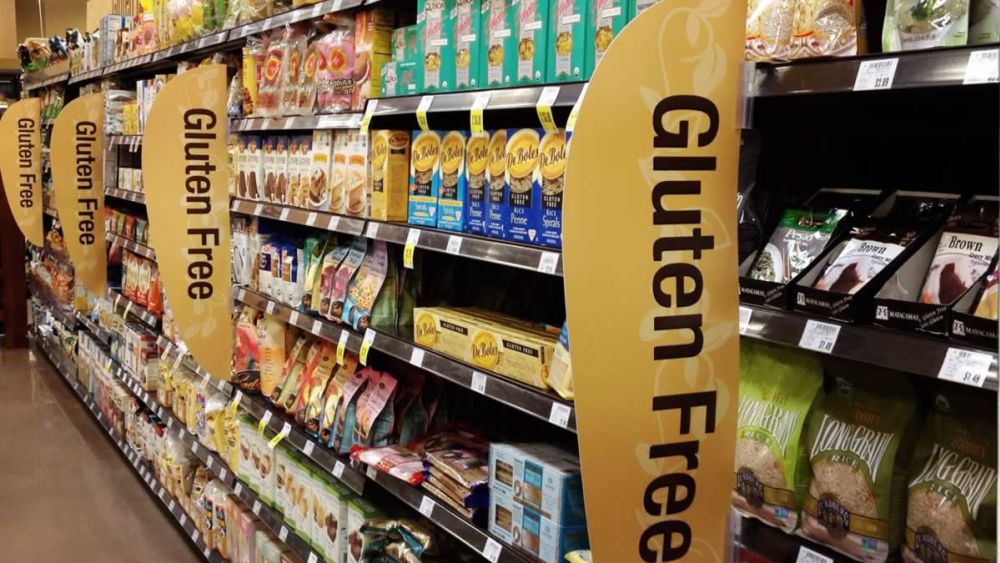
Gluten
This isn't astrophysics, and nor are we at the dawn of some grand scientific research that's about to conclude that gluten is killing us all - Amy Fleming
.jpg)
image by: HWN
HWN Suggests
Against the Grain
Gluten, one of the most heavily consumed proteins on earth, is created when two molecules, glutenin and gliadin, come into contact and form a bond. When bakers knead dough, that bond creates an elastic membrane, which is what gives bread its chewy texture and permits pizza chefs to toss and twirl the dough into the air. Gluten also traps carbon dioxide, which, as it ferments, adds volume to the loaf. Humans have been eating wheat, and the gluten in it, for at least ten thousand years. For people with celiac disease—about one per cent of the population—the briefest exposure to gluten can trigger an immune reaction powerful enough to severely damage the brushlike surfaces of the small intestine.…
Featured
 Gluten Is Perfectly Fine for the Vast Majority of People
There’s almost no proof that going gluten-free will do the average person any favors.
Grains: Which grains contain gluten?
Gluten is the name for the protein in grains. All grains contain protein that is theoretically gluten but people with celiac disease and most other gluten allergies only react to the form of gluten found in wheat (including spelt, kamut, triticale and all varieties of wheat), barley, and rye. While it’s not really correct to refer to other grains as “gluten-free,” they are free from the form of gluten found in varieties of wheat, barley, rye, and their derivatives and are safe for people with celiac disease and most gluten intolerances.
How Scared Should I Be of Gluten?
You'll be fine if you don't have celiac disease, but did you know some people have "silent" celiac disease, and it can chip away at their health for years?
Stop Freaking Out and Eat Some Damn Gluten
Food intolerances are miserable as hell. But even though figures might suggest they're increasing, we probably need to stop worrying that gluten is bad for us (read: make us fat) and get on with our lives.
The Good Gluten You Can Probably Eat Just Fine
Despite the problems that many are having with gluten today, it would be a mistake to say that all gluten is bad. Gluten has been consumed for thousands of years by healthy cultures with no downside. The alpine living Swiss, for example, consumed a significant percentage of dietary calories as dense sourdough bread made from gluten-containing rye.
What Does Gluten FREE MEAN Anyway?
If you sprouted a wheat berry and popped the grain open with your fingers, you’d find the inside sticky and white. That’s gluten, the substance responsible for aggravating people with Celiac’s disease and those with gluten sensitivities. Many experts feel that GMO-wheat has been the contributing factor in the rise of the gluten intolerant. Luckily, however, only a few grains are truly glutinous: wheat, spelt, rye, barley, and, in some cases oats, due to agricultural cross-contamination.
What is Gluten?
Why it makes some people sick and what food scientists are trying to do about it.
Articles of Interest
Is gluten bad for your health?
It has been linked to irritable bowel syndrome and those on gluten-free diets say they have lost weight. But is it really the cause of digestive problems – and aren't wholegrains good for us?
A Protein In The Gut May Explain Why Some Can't Stomach Gluten
If you've found that you are sensitive to gluten — the stretchy protein that makes wheat bread fluffy and pie crusts crisp — perhaps you've had to bear the brunt of the gluten-free backlash. But those who shun gluten (and don't have celiac disease) may not be food faddists after all. Researchers are finally homing in on markers for gluten sensitivity in the body. A study from Giovanni Barbara and his team at the University of Bologna, Italy, suggests that gluten-sensitive individuals may harbor high levels of a molecule called zonulin that is linked to inflammation.
Ditch the gluten, improve your health?
Thinking of going gluten-free? If you are, you have plenty of company. Interest and enthusiasm around gluten-free diets continues to grow dramatically. You can find plenty of books, diet experts, and advertisements supporting the idea. But does it really improve your health or sense of well-being? Or might it just be a widely amplified health fad?
Four Major Myths and Truths About Gluten
A glance around your local grocery store will confirm that gluten-free eating has gone from trendy to mainstream. An estimated 30 percent of Americans say they're trying to reduce gluten in their diets—and we're pretty confident the reason has something to do with the fact that the wheat-derived protein has been blamed for everything from weight gain to weakened bones. But while a whopping 63 percent of Americans believe a gluten-free diet can improve their health (are you in the majority?), there's a wealth of confusion and misinformation surrounding the topic.
Gluten allergies aren’t increasing. So why are gluten-free diets skyrocketing?
Gluten-free dieters often cite benefits like weight loss and reduced gastrointestinal distress as their motivation. But as my colleague Julia Belluz writes, “What makes this obsession so stunning is that for most people, there's not really any good scientific evidence to support abstaining from grains.”
Gluten, What Is It Exactly?
For food labeling purposes, the FDA currently defines gluten as the protein that naturally occurs in wheat, barley, rye. Unfortunately, this definition is not entirely accurate… In short, gluten is a mixture of proteins found in ALL grains. It is the family of storage proteins found in the seeds of grass that are soluble in alcohol and they are broken down into two families, prolamins and glutelins. The prolamine, alpha gliadin, is the most studied type of gluten in the medical literature as it relates to celiac disease. The labeling laws around gluten are loosely based on this protein found in wheat, but somewhat dismiss all other forms of gluten.
Gluten: A Benefit or Harm to the Body?
The quick answer is that it can be either, but it all depends on the individual.
Gluten: A Friendly Ingredient in Bread, or the Evil One That's Killing Us All?
I know lots of people who are going bread- and grain-free after suspecting intolerance issues. And a friend of mine told me she's giving up gluten (refresher: it's a protein found in wheat and some grain products) this New Year for an entirely different reason. "Why?" I asked her the reason, knowing that she doesn't have any gluten-intolerance issues (Celiac disease). "Because gluten is evil," she said. Huh? Turns out, there may be some science to this, though it's very controversial ...
If you don’t have coeliac disease, avoiding gluten isn’t healthy
For people without coeliac disease, there’s no evidence to support claims a strict gluten-free diet is beneficial for health. It’s even possible the opposite is true, and the avoidance of dietary whole grains resulting in a low fibre intake may be detrimental.
Imagine if “hidden” gluten were a thing of the past and gluten-containing grains had to be declared.
Gluten Free Watchdog's mission to include the source in all labeling.
Science Has Begun Taking Gluten Seriously
New research from Harvard and Columbia says gluten does not cause heart disease. Why is that even a question?
Should You Give Up Gluten?
This supposedly harmful substance in bread, pasta and more has been blamed for weight gain and tummy trouble. Should you swear it off?
The Dilemma of the Gluten-Free Diet
People with celiac disease can still consume enough of the protein to trigger health problems
The great gluten debate
GLUTEN-FREE goods are a booming business. So what is gluten and is it really that bad for you?
The Myth of Big, Bad Gluten
Overlooked in all this gluten-blaming is the following: Our default response to gluten, says Dr. Jabri, is to treat it as the harmless protein it is — to not respond. So the real mystery of celiac disease is what breaks that tolerance, and whatever that agent is, why has it become more common in recent decades?
This Is Your Brain on Gluten
A No. 1 bestseller by a respected physician argues that gluten and carbohydrates are at the root of Alzheimer's disease, anxiety, depression, and ADHD. What to make of the controversial theory?
What Is Gluten and What Does It Do?
In addition to wheat, gluten also comes from rye, barley and triticale (a cross between rye and barley). Sometimes it’s in oats, but only because the oats may have been processed with other foods that contain gluten. Oats themselves don’t contain gluten. Humans have digestive enzymes that help us break down food. Protease is the enzyme that helps our body process proteins, but it can’t completely break down gluten. Undigested gluten makes its way to the small intestine. Most people can handle the undigested gluten with no problems. But in some people, gluten can trigger a severe autoimmune response or other unpleasant symptoms.
Wheat, Gluten + Grains – Good, Bad, or Misunderstood?
The war on gluten seems to be never-ending, and low-carb proponents claim we should avoid all grains – gluten-free or not. However, gluten is misunderstood, and not all grains are created equal.
When, and Why, Did Everyone Stop Eating Gluten?
Gluten sensitivity or intolerance – a somewhat vague claim by people who definitely do not have celiac that they feel better when they eliminate gluten – was belittled by the scientific and medical establishment for a long time because it had no discernable cause or explanation, but now they are starting to come around and believe that it might be real.
Who Really Needs to Be Gluten-Free?
The gluten-free craze is unlikely to go away anytime soon. Many people say they feel better after adopting a diet free of gluten, a protein found in wheat, barley and rye, even though relatively few gluten avoiders have been given diagnoses of celiac disease, an autoimmune condition that can attack the intestines and other tissues when gluten is consumed.
Why do people decide to go gluten- or wheat-free?
The reasons behind this decision are complex. Some respondents reported that they were avoiding wheat due to a diagnosis of coeliac disease (1.1%), or because a family member has been diagnosed with coeliac disease. Others stated they were avoiding wheat for weight-control or taste preferences.
You Asked: Should I Go Gluten Free?
Gluten is a type of elastic grain protein that helps wheat, rye and barley hold their shape. Because of its glue-like properties, gluten is often added to other food products—pasta, sauces, crackers, baked goods—to thicken or bind those products together. Look closely at that list of foods, and it’s easy to see why some people who ditch gluten experience a wondrously slimming, invigorating health boost. Those sorts of quick-digesting refined carbohydrates tend to be high in unhealthy sugars. And if you’re like the average American, more than half of your daily calorie intake comes from those insalubrious goodies.
Resources
WheatBelly.com
Wheat Belly helped spawn a revolution: a revolution in thinking about wheat and the misinformation of “healthy whole grains,” a new direction in understanding appetite and weight control, and a revolution in improving or reversing a long list of common health conditions.
Gluten Free Society
Educating the world about the broad reaching nature of gluten on human health and disease.