Lung Cancer
I’ll give you my strength if I can have your remission - John Green, The Fault in Our Stars

image by: Lung Cancer Research Foundation (LCRF)
HWN Suggests
A vaccine to stop lung cancer? It’s made from tobacco taxes and legislation
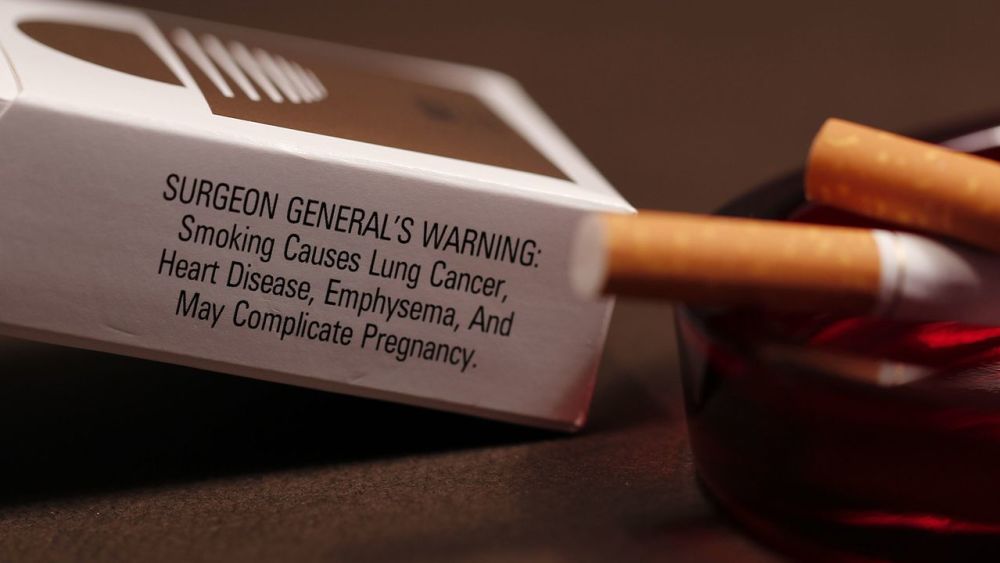
Lung cancer is the biggest cancer killer in the country, and almost 90 percent of deaths from this disease are directly attributable to cigarette smoking. Many cancers, such as breast cancer, that were once a death sentence are now treatable, yet lung cancer survival rates remain below 20 percent. A cure may be elusive, but the medical community can stop this disease and eliminate most future lung cancer deaths.
Most lung cancer deaths are caused by smoking, and smoking is a socially influenced behavior. People tend to catch it from tobacco marketing and by modeling smokers. Tobacco companies spend more than a million dollars an hour to market their products in order to recruit…
Featured
 Lung Cancer Was a Death Sentence. Now Drugs Are Saving Lives.
There is more hope than ever for people diagnosed with the deadliest cancer. Declines in smoking and the advent of screening and newer drugs have transformed the outlook for patients with lung cancer, once considered a death sentence. Progress against the disease has propelled the drop in overall cancer deaths in the U.S. over the past three decades.
Articles of Interest
Even Without Symptoms, Lung Cancer Screening May Be a Lifesaver
You're a Baby Boomer with a history of smoking, and although you don't have any symptoms, you're afraid of the big C. Instead of just crossing your fingers, why not take the test that can give the early detection that just might save you?
Truths About Lung Cancer
In reality, it is reported that up to 15% of lung cancer patients were never smokers. Fortunately, over the last 10 years, new research, diagnosis and treatment breakthroughs have brought new hope to patients around the world. These advancements include screening for early detection and personalizing therapies.
Why Do Healthy Non-Smokers Get Lung Cancer?
The latest research on why "anyone with lungs is at risk," and what's being done about it.
A Journey With Lung Cancer
Still, 25% of all cancer deaths are due to lung cancer, and more people die from lung cancer than breast, prostate and colorectal cancer combined, says Rebecca Siegel, lead author of the American Cancer Society’s report. “We have made great progress,” says Ms. Siegel, the strategic director of surveillance information services at the American Cancer Society. “But the number of deaths from lung cancer is still shocking.”
Blame’s Net Catches Lung Cancer Patients
When it comes to advocacy and research funds, the leading cancer killer in the United States lung cancer clearly gets short shrift. People with the disease are commonly assumed to have brought it upon themselves by smoking. And the 10 to 15 percent of lung cancer patients who never smoked are typically tarred with the same brush. One-tenth of men and one-fifth of women with lung cancer have never been smokers, and in some parts of the country Northern California, for example as many as 35 percent of women with lung cancer never smoked or lived with smokers.
Everything You Need to Know About Lung Cancer, Including What to Do If You Think You Have It
"It's lung cancer." That three-word sentence changes lives in an instant, puts a dark dread in your stomach, and drains the color from the room where you are standing. Discovering that you or a loved one has lung cancer can be terrifying, especially if you don't know what to expect in the weeks and months to come. When you receive your diagnosis, you may be faced with treatment choices that seem impossible to decipher and feel overwhelmed by a new, unfamiliar medical language.
How to Fight Cancer (When Cancer Fights Back)
Understanding how the disease evolves is the key to stopping it.
Lung Cancer Awareness Month: Let's Clear the Smoke
Research over the last decade has catapulted us to within making lung cancer a manageable disease. That’s closer than ever. Most every doctor and researcher I speak with agrees, and they are starting to believe a cure may one day be possible.
Lung Cancer Has A Sweet Tooth: Sugar Delivery Fuels Early Tumor Growth
Non-small cell lung cancer (NSCLC) is the most common type of lung cancer and the leading cause of cancer-related death world wide. Early diagnosis and treatment provide the best opportunity for survival, but the prognosis becomes increasingly poor as the cancer spreads. Unfortunately, in the majority of cases, by the time symptoms appear and a diagnosis is made, the cancer has already begun to spread.
Lung cancer is the deadliest of all cancers, and screening could save many lives − if more people could access it
Because lung cancer is linked to smoking, stigma plays a significant role in preventing many people eligible for screening from pursuing it. Many people eligible for lung cancer screening fear being blamed for their previous or current tobacco use.
Lung Cancer Patients Live Longer With Immune Therapy
Odds of survival can greatly improve for people with the most common type of lung cancer if they are given a new drug that activates the immune system along with chemotherapy, a major new study has shown. The findings, medical experts say, should change the way doctors treat lung cancer: Patients with this form of the disease should receive immunotherapy as early as possible.
Lung cancer survival rates rise, but low screening rates leave many people at risk
Survival rates for lung cancer are improving, especially among historically marginalized communities of color, according to a new survey from the American Lung Association released Tuesday. The findings are a bright note amid deepening racial disparities in many areas in health care.
Patient Voices: Lung Cancer
What is it like to live with the No. 1 cancer killer in this country? Three men and women speak about living with lung cancer.
RADON - The Hidden Environmental Hazard
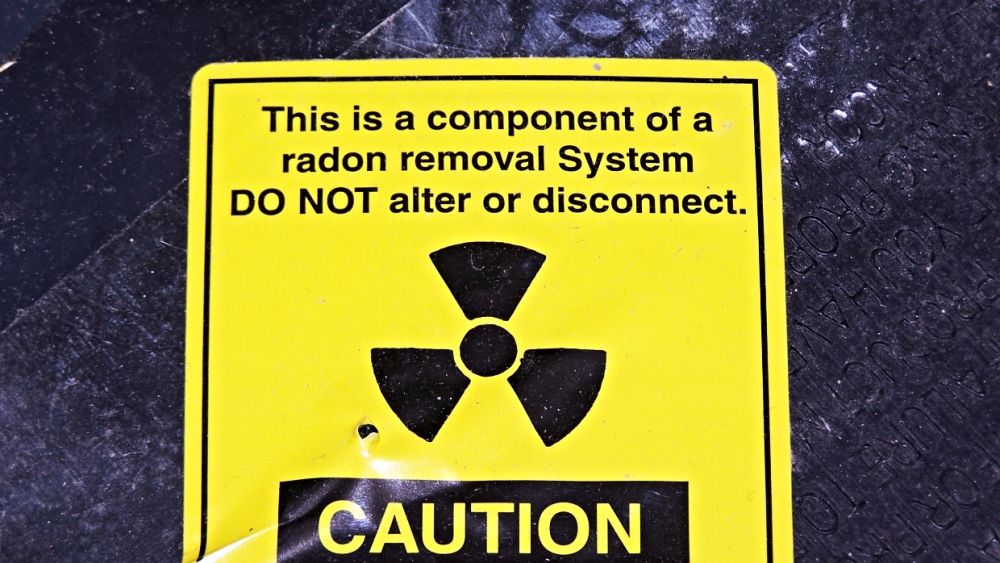
Radon exposure is the leading cause of lung cancer in non-smokers. Instead of being worried about airport scanners and pat-downs, perhaps we ought to be paying more attention to ensuring that our homes are as safe as possible!
Research Yields Progress Against Lung Cancer
Newer approaches include immune-boosting drugs and treatments targeting genetic traits of tumors.
Taking loads of vitamin B could increase your risk of lung cancer
B vitamins are often sold with the promise of boosting flagging energy levels. But men who smoke might want to skip them, according to a new study in the Journal of Clinical Oncology. While smoking kills some six million people a year, the study found that men who smoked and took large doses of vitamins B6 or B12 significantly increased their risk of lung cancer.
Understanding Lung Cancer
Lung cancer—Comprehensive overview covers symptoms, causes, treatment of non-small and small cell types.
We trained an algorithm to detect cancer in just two hours
Doctors across the world are beginning to rely on artificial intelligence algorithms to help accelerate diagnostics and treatment plans, with the goal of making more time to see more patients, with greater precision.
Young, Healthy, and Dying of Lung Cancer
If lung cancer in non-smokers were its own statistical category, it would rank among the top ten deadliest cancers in the US.
Resources
Global Lung Cancer Coalition
We are the international voice of lung cancer patients with organisations in 21 countries
GO2 for Lung Cancer
GO2 for Lung Cancer is at the forefront of everything that’s happening in lung cancer. We’re the go-to for one-on-one assistance, supportive connections, treatment information, and finding the best care close to home. We’re the place to go to learn about the latest research and special initiatives that increase survivorship.
Lung Cancer Alliance
We are the only national non-profit organization dedicated solely to providing support and advocacy for people living with or at risk for the disease. Our mission ending injustice and saving lives through an alliance of advocacy, education and support. Our vision is to reduce lung cancer mortality by at least 50% by 2020.
Lung Cancer Registry
We believe that the key to discovery lies within the patient themselves. Together, with your participation in this lung cancer registry, we can build the knowledge base to enable Researchers and Clinicians to identify and understand the complexities of this disease. Knowledge is power. Be the voice. Thank you for joining us in the ultimate fight against lung cancer.
LungCancer.org
Lungcancer.org is a program of CancerCare, a national nonprofit organization that provides free, professional support services to anyone affected by lung cancer.
LUNGevity
LUNGevity is the nation's leading lung cancer-focused nonprofit. We are changing outcomes for people with lung cancer through research, education, and support.
Bonnie J. Addario Lung Cancer Foundation
The Bonnie J. Addario Lung Cancer Foundation (ALCF) is one of the largest philanthropies (patient-founded, patient-focused, and patient-driven) devoted exclusively to eradicating Lung Cancer through research, early detection, education, and treatment.
Breathe
Lung cancer is cancer that starts in the lungs. Cancer is a disease where cancerous cells grow out of control, taking over normal cells and organs in the body.
International Association for the Study of Lung Cancer
The International Association for the Study of Lung Cancer (IASLC) is the only global organization dedicated to the study of lung cancer. Founded in 1974, the association's membership includes more than 3,800 lung cancer specialists in 80 countries.
Lung Cancer Canada
Lung Cancer Canada is a national charitable organization, which aims to increase awareness for lung cancer, support patients and the individuals who care for them, and provide educational resources to patients, family members, healthcare professionals and the general public.
Patient Portal
We are so glad you’re here! We want this page to be your home on the web where you can come to learn about the latest news affecting lung cancer patients, get support from stories shared by other patients, and maybe tell your own.
Roy Castle Lung Cancer Foundation
The Roy Castle Lung Cancer Foundation is the only charity in the UK wholly dedicated to defeating lung cancer, the biggest cancer killer in the world.
British Lung Foundation
We focus our resources on providing support for people affected by lung disease today; and work in a variety of ways, including funding world-class research, to bring about positive change, to improve treatment, care and support for people affected by lung disease now and in the future.
Cancer Treatment Centers of America
We fight cancer... that's all we do. We know you are fighting for your life. Our mission is to arm you with every choice, offer you every chance, and empower you to victory.
CancerConnect,com
Understanding treatment options, accessing new and innovative therapies through clinical trials, as well as understanding the role of supportive care and complementary and alternative medicine are essential.
CDC
CDC has a number of programs for preventing and controlling lung cancer, which kills more people than any other type of cancer. Research continues to look for better ways to prevent and control lung cancer.
Macmillan Cancer Support
Lung cancer information centre
Mesothelioma Applied Research Foundation
The Meso Foundation is the non-profit collaboration of patients and families, physicians, advocates, and researchers dedicated to eradicating the life-ending and vicious effects of mesothelioma.
National Cancer Institute
Information about lung cancer treatment, including surgery, chemotherapy, radiation therapy, immunotherapy, and vaccine therapy
OncoLink
Lung Cancer: The Basics
Tarceva
Tarceva is a targeted cancer treatment. Unlike many other traditional chemotherapies, Tarceva affects certain cell activities. Tarceva is designed to block tumor cell growth by targeting the protein in your body called the Human Epidermal Growth Factor Receptor 1.