Fertility
Whether or not you want babies, your fertility can be a window into your overall health - Hailie Lavine

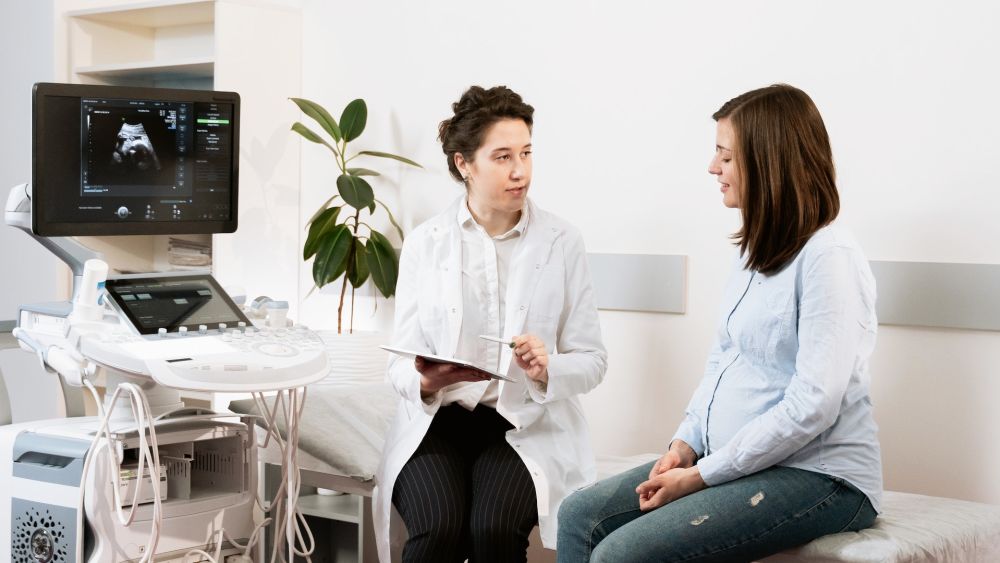
image by: Didssph on Unsplash
HWN Suggests
The Future of Fertility
In the U.S., as in many other countries, women give birth for the first time at older ages than they did several decades ago, but the age at which women lose their fertility has not budged: by forty-five, a person’s chances of having a pregnancy without assisted reproductive technology are exceedingly low. Biologists have theories, none of them conclusive, about why women have such a sharp decline in fertility at midlife, and why ovaries age at least twice as fast as the other organs in the body.
Featured
 Everything You Need to Know About Your Own Fertility
If you’ve been thinking a lot about your own fertility lately, you’re not alone. Internet search results prove this. Questions like “Am I too old to get pregnant?” “Is fertility a ‘women’s problem’”? and “What reproductive options are available to me as a queer person?” are remarkably common. But when the digital rabbit hole is filled with so many myths and misconceptions, it can feel challenging to really own your own fertility.
IVF revolutionized fertility. Will these new methods do the same?
As more and more people postpone parenthood, scientists are working on a moon shot effort to slow down the aging of the ovaries.
Strong Hands and Voice Pitch Really Are Signs of Fertility
New research strengthens the link between physical attributes and baby-making potential.
The True Cost Of Fertility
Trying for a baby can be cripplingly expensive. But as technology advances and IVF is normalised, could change be on the horizon? Jennifer George looks at the evolving economics of reproductive health.
Articles of Interest
As Fertility Rates Fall, Some Scientists Say Everyday Chemicals Are a Factor
Concerns grow about so-called endocrine disrupters, found in everything from plastic packaging to toys and cosmetics.
At-Home Fertility Tests Are Booming, But Are They Worth It?
According to startup news site Sifted, the fertility industry has boomed during the pandemic. Swiss startup Legacy, which tests sperm quality, has seen a tenfold increase in orders, and its Danish counterpart ExSeed is another success story. Demand has also shot up for Apricity, a digital fertility clinic offering at-home blood tests and consultations for women, which can be followed by in-person treatments with partner clinics in the UK.
Can a Drug Extend Your Fertility by Five Years?
There are some excited claims floating around about rapamycin. Unfortunately, it’s too soon to say.
Does a woman’s fertility really plummet at age 35?
“Fertility lies on a continuum,” experts say. While age delivers the harshest blow to a woman’s odds of conceiving, many other factors are also at play.
Fertility and the Future of Health
Welcoming a child into your family can be life changing, but for those struggling to get pregnant the process can be emotionally taxing and expensive. Reproductive science is quickly changing, as is society’s approach to the issues around fertility.
Fertility apps are a pain in the uterus. Here’s how to make them better
Data shows that most fertility apps can’t do what they were designed to do, and only four out of 53 platforms can accurately identify fertile windows. For people hoping for a child, faulty technology may be hindering a most desired pregnancy. For those wanting to avoid pregnancy, it may have resulted in an unwanted one.
Human Sperm Counts Declining Worldwide, Study Finds
Researchers disagree on whether the trend has implications for human fertility.
Men have a biological clock too. Here’s what’s more likely when dads are over 50
In addition to the effects of older age, some chronic conditions that affect fertility and reproductive outcomes become more common as men get older. They include obesity and diabetes which affect sperm quality by lowering testosterone levels.
Scientists Warn of Fertility Loss in Many Species Due to Climate Change
Earth is home to millions of species that have adapted to environments as diverse as deep ocean seabeds and chilly alpine peaks. But in our era of rapid climate change, driven by human activity, many of our planet’s lifeforms will struggle to survive the increased heat stress that comes from warming global temperatures, provoking concern about looming biodiversity losses.
The Fertility Revolution: How Dandi Is Transforming Patient Care In A Booming Industry
While the expansion of fertility treatment access is undoubtedly crucial, it raises a deeper question: are we doing enough to improve the success rates of these procedures and address the root causes of infertility? As billions of dollars pour into the fertility industry, one startup is taking a novel approach by focusing on an often-overlooked aspect of the fertility journey – the patient experience.
The global fertility crisis: are fewer babies a good or a bad thing? Experts are divided
The UK’s fertility rate is at an all-time low, and many other countries face similar declines, creating ageing populations. But can ecological benefits of fewer people outweigh social problems created?
This Chemical Can Impair Fertility, but It’s Hard to Avoid
Hormone-disrupting phthalates can be found in everything from plastics and household goods to personal care products. Studies have shown they may be harmful to women’s reproductive systems.
When It Comes to Fertility, Access is Everything
For those who are struggling to conceive, the most fortunate always win.
Why you should talk about fertility, even if you don’t want children – and what you should discuss
Talking more openly about fertility and the choice to have children or not can help break the stigma around these topics. Just as people (women especially) may face criticism for delaying parenthood, there are social taboos around deciding not to have children. The conversations you have now may help you, and future generations, make more informed decisions about their reproductive choices.