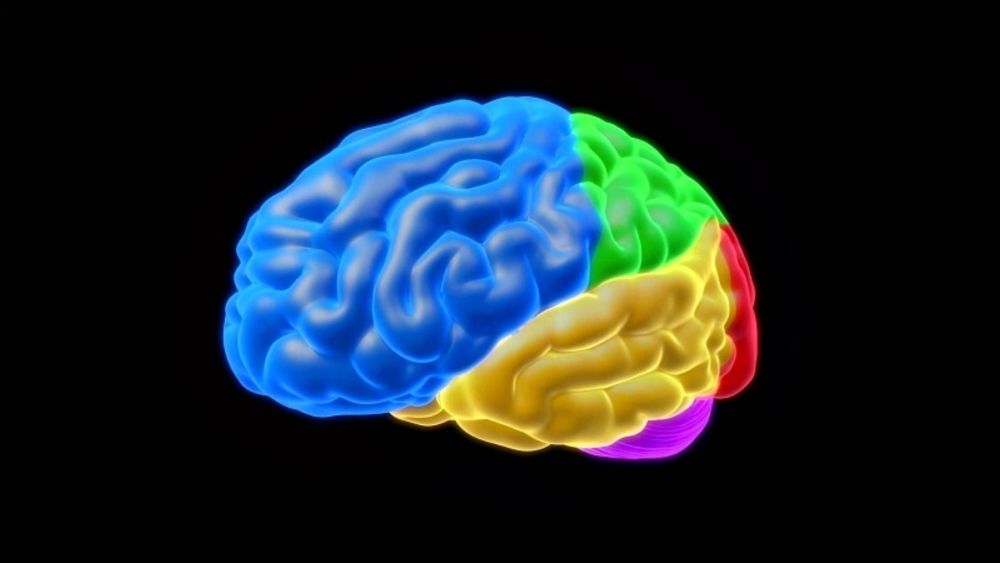
TIA
I love caring for patients after TIAs, because the damage has not yet occurred, and we can intervene to prevent a stroke - Jodi Gehring MD

image by: HWN
HWN Suggests
The big problem of ministrokes
A TIA does not guarantee you will have a future stroke, but it does suggest you are at high risk. Nearly one in five people who have a suspected TIA will experience a full-blown stroke within three months, according to a scientific statement from the American Heart Association in the March 2023 issue of the journal Stroke. The risk of a stroke is highest during the 48 hours following the initial TIA. Early recognition of the likely cause of a TIA is the best way to prevent a stroke. Because most TIAs are related to a temporary clot forming in a narrowed brain artery, the usual treatment begins with two antiplatelet drugs, such as aspirin and clopidogrel (Plavix), or an anticoagulant…
Featured
 A mini stroke is a warning! A stroke may follow
People having a mini stroke can experience a variety of symptoms. The most important are weakness on one side affecting the face, arm or leg – or all three – or speech disturbance, which can be slurring or decreased speech fluency or comprehension. These are the typical symptoms, but sometimes people can experience visual loss, dizziness or vertigo. Patients having a mini stroke return to normal within minutes or hours after the event. This gives the false impression it may not be serious and patients do not always seek medical attention. But it is very important if you or someone in your family experiences any of the above symptoms, they immediately visit their nearest emergency department.
There’s No Such Thing As A “Mini Stroke”
Every year, at least 240,000 people in the US experience what doctors call a transient ischemic attack (TIA), or what has commonly been known as a “mini stroke.” A TIA will often pass relatively quickly and, as a result, can sometimes be dismissed or even left unreported and forgotten. The name “mini stroke” even suggests that what has occurred is not a serious event. But the experts at the American Heart Association have a very different name for a TIA—a warning stroke—and studies show that nearly 1 in 5 people who experience a TIA will suffer a full-blown stroke within months, or even days.
Articles of Interest
Transient ischaemic attacks: mimics and chameleons
Suspected transient ischaemic attack (TIA) is a common diagnostic challenge for physicians in neurology, stroke, general medicine and primary care. It is essential to identify TIAs promptly because of the very high early risk of ischaemic stroke, requiring urgent investigation and preventive treatment. On the other hand, it is also important to identify TIA ‘mimics’, to avoid unnecessary and expensive investigations, incorrect diagnostic labelling and inappropriate long-term prevention treatment.
A Ministroke Can Have Major Consequences
So-called transient ischemic attacks can eventually lead to cognitive declines as steep as those following a full-on stroke, new research finds.
A Ministroke Can Have Major Consequences
So-called transient ischemic attacks can eventually lead to cognitive declines as steep as those following a full-on stroke, new research finds. The findings reinforce longstanding concerns that people experiencing T.I.A.s don’t respond quickly enough. “These events are serious, acute and dangerous,” said Dr. Claiborne Johnston, a neurologist and chief medical officer of Harbor Health in Austin. After a T.I.A., neurologists put the risk of a subsequent stroke within 90 days at 5 percent to 20 percent, with half that risk occurring in the first 48 hours. “Feeling back to normal doesn’t mean you can ignore this, or delay and discuss it with your primary care doctor at your next visit,” Dr. Johnston said. The symptoms should prompt a 911 call and an emergency room evaluation.
A ministroke can have major consequences – including steep cognitive decline
The study showed that even if the symptoms resolve — typically within 15 minutes to an hour — TIAs set people on a different cognitive slope later in life, Smith said in an interview: "a long-lasting change in people's cognitive ability, possibly leading to dementia."
A New Focus on Aspirin in Preventing Strokes
The drug may play a more important role than previously thought.
Five things you should know about transient ischemic attacks
Often referred to as a “mini-stroke,” a Transient Ischemic Attack (TIA) may actually be a warning sign for a future stroke.
Health Matters: A New Stroke Strategy
Aggressive treatment of mini-strokes could help prevent major attacks.
How to recognize a ministroke or stroke — and what to do
If you suddenly experience a strange but fleeting symptom — your arm or face suddenly feels weak or numb — you might be tempted to brush it off, especially if it’s short-lived. But if those odd, unexplained symptoms last more than a few seconds, they could signal a transient ischemic attack, or TIA. Commonly referred to as a ministroke, a TIA is caused by a temporary lack of blood in part of the brain. Most of the time a blood clot is to blame, and the symptoms resolve quickly because your body’s natural clot-dissolving action restores blood flow. But according to the American Stroke Association (ASA), these events should be called warning strokes rather than ministrokes.
My brush with a stroke
Stroke statistics indicate that 1 in 3 people who experience a TIA are likely to suffer a full-blown stroke, so I am now a member of a select club whose membership I never sought, but whose rules it would be wise to follow – adopt a healthier lifestyle; have slightly lower than normally acceptable levels of LDL-cholesterol (100 mg/dl are acceptable levels in general; with a history of TIA/stroke, recommended levels are <=70 mg/dl); and take a baby aspirin once a day. Perhaps the only mark a TIA leaves is this club membership, and a recollection of the unreal nature of what transpired during it.
Outpatient management of transient ischaemic attack
Primary care physicians play an important role in the prevention of subsequent stroke by managing vascular risk factors, encouraging patients to adopt lifestyle measures (e.g. exercise, diet and smoking cessation) and continuing antiplatelet therapy (or anticoagulation for those with atrial fibrillation).
Recent advances in the management of transient ischemic attacks
Significant advances in our understanding of transient ischemic attack (TIA) have taken place since it was first recognized as a major risk factor for stroke during the late 1950's. Recently, numerous studies have consistently shown that patients who have experienced a TIA constitute a heterogeneous population, with multiple causative factors as well as an average 5–10% risk of suffering a stroke during the 30 days that follow the index event.
There's No Such Thing as a Mild, Harmless Stroke
New research out of Canada shows survivors of transient attacks may be living with hidden disabilities, like vision problems, depression.
TIA Risk Calculator
Have you had symptoms that might be from a mini-stroke or transient ischemic attack (TIA)?. Answer the questions... to see what your risk of stroke or TIA might be as compared to others who have answered the same questions.
Transient Ischemic Attack: Why You Should Worry
They’re often called “mini-strokes,” but they’re not necessarily mini. A transient ischemic attack (TIA) is a serious warning sign that you could have a stroke in the next two days. Symptoms come on very suddenly...
Transient Ischemic Attack—Not So Transient After All!
According to conventional thinking, transient ischemic attacks (TIAs) are supposed to resolve without permanent injury to the brain. However, this conventional view may be too rosy. A study in this issue of JAMA Neurology suggests that TIAs are far from benign and should instead be considered potential harbingers of progressive cognitive decline.
Resources
A Place for Mom
Known as a “warning stroke,” a transient ischemic attack (TIA) often comes and goes so quickly that the affected person may not even be aware they’ve had one. Yet medical experts stress it is vitally important for a person who has suffered a TIA to get immediate medical attention, because a TIA is a sign that the person is more likely to subsequently suffer a full stroke.
eMedicinehealth
TIAs are often warning signs of a future stroke. The risk of a stroke increases dramatically in the days and weeks after a transient ischemic attack, and the TIA may offer an opportunity to find a cause and prevent the permanent neurologic damage that results because of a stroke.
MayoClinic
Even though a transient ischemic attack doesn't last very long and leaves no permanent effects, it's far from an insignificant event. About one in three people who have a transient ischemic attack eventually have a stroke, with about half occurring during the year after the transient ischemic attack.
MedlinePlus
A transient ischemic attack is a "mini-stroke" caused by temporary disturbance of blood supply to an area of the brain, which results in a sudden, brief decrease in brain function.
National Institute of Neurological Disorders and Stroke
A transient ischemic attack (TIA) is a transient stroke that lasts only a few minutes. It occurs when the blood supply to part of the brain is briefly interrupted.
UpToDate
The risk of stroke after a TIA is highest in the first few days to weeks after the TIA. For example, the risk of having a stroke in the first two days after TIA has been estimated to be 4 to 10 percent. People with certain characteristics are thought to have a higher risk (eg, closer to 10 percent) of stroke compared to people without these characteristics.